Job Opportunities
Current Openings
Knife River Locations
Located In 15 States
Current Openings
Located In 15 States
Knife River is committed to putting people first. That means taking care of our employees, our customers and our communities by operating with integrity and always striving for excellence.
“When you make a commitment to putting people first, that of course means every person.”
We will take care of our team by providing them the tools, training and time to perform their work safely and successfully. We will provide competitive wages and benefits. We will deliver excellent customer service and treat everyone with respect. We will watch out for the public in our work zones and anywhere we operate.
We believe all injuries are preventable. We strive to lead the world in safety not because of statistics, but because we genuinely care about people’s wellbeing. Everyone has the right to be safe and the responsibility to look out for their co-workers, the public and themselves.
We will deliver consistent, high-quality products and services to our customers. We will get called back to do more work, not re-work. We will build relationships with our customers and the public, so they know they can depend on us.
We continuously manage our impact on the environment to minimize our footprint and to keep our states beautiful for future generations.
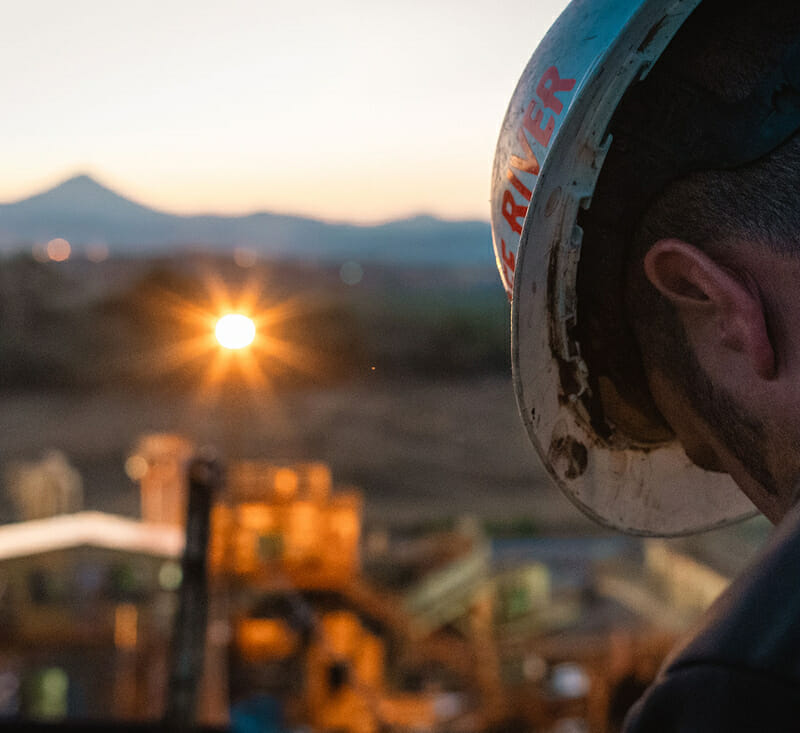
Knife River builds the roads, bridges and airport runways that connect you with where you want to go. From driveways to highways, our mission is to build strong neighborhoods and build strong communities.
We are one of the nation’s largest construction materials and contracting businesses. With over 1 billion tons of rock and over 5,700 employees across the western U.S., we are here to meet your construction needs.
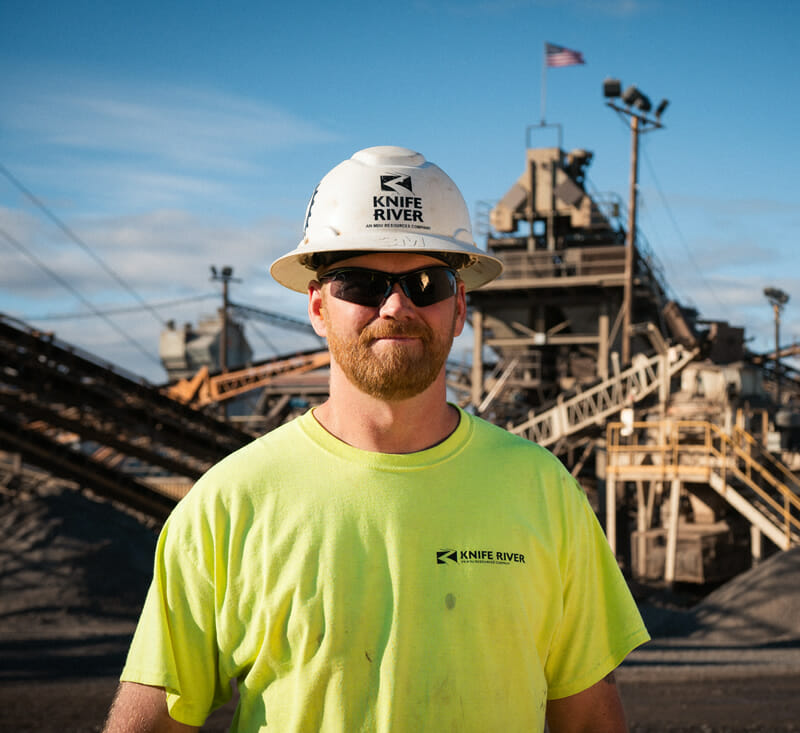
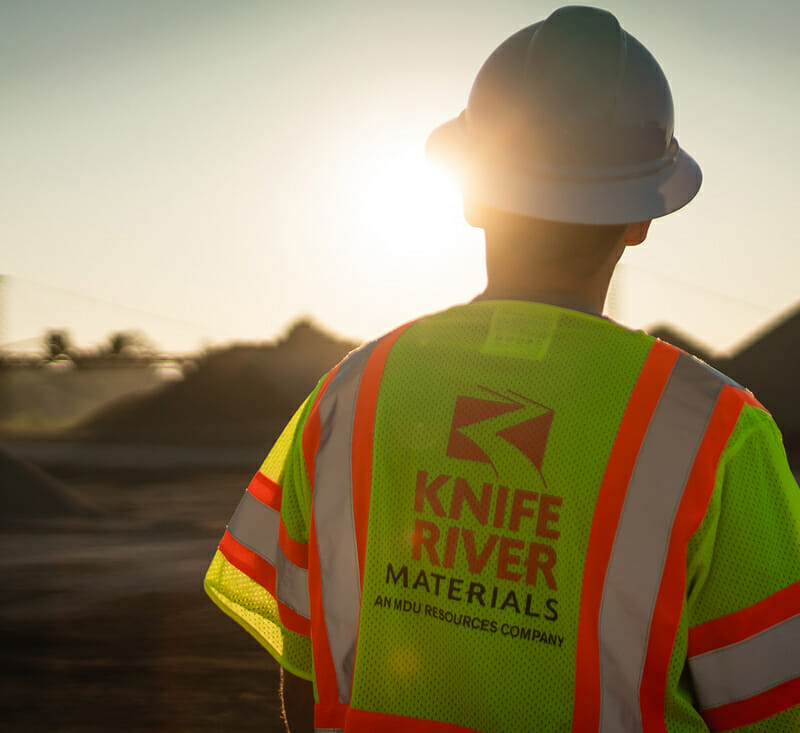
Building strong communities doesn’t stop where the pavement ends. We are involved in our communities and also support charitable efforts – with an emphasis on programs for youth, veterans and community betterment.
Acquisition Information: Contact Us Below
"*" indicates required fieldsAquisitions
Founded near the Knife River in North Dakota
Purchased by Montana-Dakota Utilities
Became part of MDU Resources Group
First aggregates acquisition (California)
Expand into Alaska and Oregon
Expand into Hawaii
Expand into Montana/Wyoming
Expand into Idaho
Expand into Minnesota
Expand into Texas
Expand into Iowa/Nebraska/South Dakota
Expand into Washington
Separated from MDU Resources, became independent, publicly traded company (NYSE: KNF)
| Cookie | Duration | Description |
|---|---|---|
| __cf_bm | 30 minutes | This cookie, set by Cloudflare, is used to support Cloudflare Bot Management. |
| Cookie | Duration | Description |
|---|---|---|
| cf_chl_2 | 1 hour | No description |
| cf_chl_prog | 1 hour | No description available. |
| cf_chl_seq_0159623f74876e4 | session | No description |
| cf_chl_seq_022c7570133ab63 | session | No description |
| cf_chl_seq_02f55d4d5b85559 | session | No description |
| cf_chl_seq_09023fe355bb207 | session | No description |
| cf_chl_seq_0b02bf30ee9d1f5 | session | No description |
| cf_chl_seq_15c2be21cca7dc1 | session | No description |
| cf_chl_seq_1c9b66d29d75d27 | session | No description |
| cf_chl_seq_212e4d77a3cc391 | session | No description |
| cf_chl_seq_2130d06fd365fce | session | No description |
| cf_chl_seq_2d5603ae36e6599 | session | No description |
| cf_chl_seq_36b528c6d015d90 | session | No description |
| cf_chl_seq_3e2b15b2ac9171f | session | No description |
| cf_chl_seq_3f3feb224f41078 | session | No description |
| cf_chl_seq_41e45979e4608c7 | session | No description |
| cf_chl_seq_421878ac97168fe | session | No description |
| cf_chl_seq_492ae1d3c732cf5 | session | No description |
| cf_chl_seq_4a94c8dee5d2a24 | session | No description |
| cf_chl_seq_54080c23abaadce | session | No description |
| cf_chl_seq_5911367fa2f6295 | session | No description |
| cf_chl_seq_5a61b43deca698b | session | No description |
| cf_chl_seq_5c6e4db52e42738 | session | No description |
| cf_chl_seq_5e88bf63172ece9 | session | No description |
| cf_chl_seq_5f30e3bb36ad735 | session | No description |
| cf_chl_seq_64f940e29040a8d | session | No description |
| cf_chl_seq_6844a52169f2235 | session | No description |
| cf_chl_seq_68e0cfcfa14d159 | session | No description |
| cf_chl_seq_6b279114d6c20c6 | session | No description |
| cf_chl_seq_6be0d92625e2184 | session | No description |
| cf_chl_seq_706376b7446ad9c | session | No description |
| cf_chl_seq_723ec6fa8a47ddd | session | No description |
| cf_chl_seq_79161b14cc34efb | session | No description |
| cf_chl_seq_867de1116f618a1 | session | No description |
| cf_chl_seq_8cbaec49bf5854a | session | No description |
| cf_chl_seq_9074f63210d75d5 | session | No description |
| cf_chl_seq_91decdc8813c562 | session | No description |
| cf_chl_seq_a29742627b37fa1 | session | No description |
| cf_chl_seq_a73ac56995e10e8 | session | No description |
| cf_chl_seq_a9f3da9919ef389 | session | No description |
| cf_chl_seq_aa6b27ad363ace7 | session | No description |
| cf_chl_seq_acc180238eff3db | session | No description |
| cf_chl_seq_ad037abd0e4dc4e | session | No description |
| cf_chl_seq_af551354f19372c | session | No description |
| cf_chl_seq_afbe95c21d55a47 | session | No description |
| cf_chl_seq_b2107c24369084f | session | No description |
| cf_chl_seq_bc0780ecc824ecc | session | No description |
| cf_chl_seq_bdea50f8da4c650 | session | No description |
| cf_chl_seq_c107f7453beceda | session | No description |
| cf_chl_seq_c18b881ac7aaf84 | session | No description |